The practice of attention
A fictional meditation on quiet, faith, and the small discipline of noticing what is present.

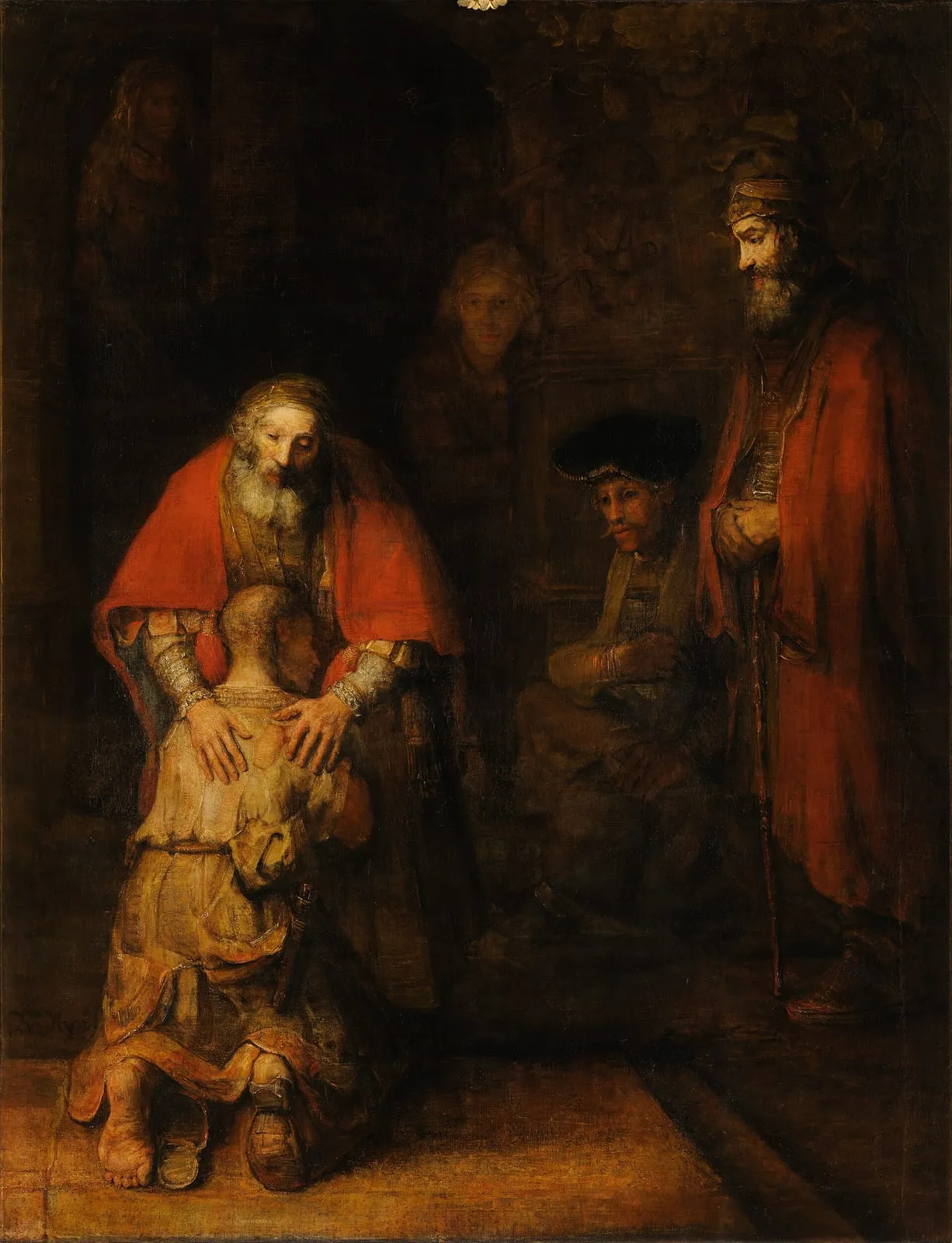
A fictional line about learning to notice.
An imagined scene: a reader closes a book before the end of a chapter. Outside, rain settles into the leaves. There is no conclusion waiting in the garden, only something worth noticing.
This fictional essay asks a modest question: what might attention make possible?
Leaving a little room
A day can fill with explanations before there has been time to experience it. Even a good question can become another task to finish. A pause need not produce an answer to have been worthwhile.
Attention begins when the impulse to finish gives way to the willingness to stay.
This is an invented line, offered as a typographic example rather than a quotation from another writer.
Faith and the unfinished question
In this imagined reflection, prayer is less a polished account of certainty than an opening: a willingness to bring the unresolved into a relationship with God. There is room for a question to remain a question.1
The page can hold that openness, too. A paragraph is a place to begin thinking, rather than a requirement to have finished.
Returning to the ordinary
The reader opens the book again. Nothing dramatic has happened. But the next sentence arrives in a different kind of silence.
A small related observation appears in the language journal.
Footnotes
-
This passage is fictional demonstration prose, not a statement of Ashleigh’s personal theology or experience. ↩